
The post discusses grading policies within a mastery learning reassessment system (MLAS), highlighting five common flawed practices that compromise fairness and learning. It emphasizes the importance of time, increased learning, parallel validity, and equitable grading. A proposed grading policy aligns with these principles, supporting accurate representation of student learning without penalties for prior performance.
Tag: education
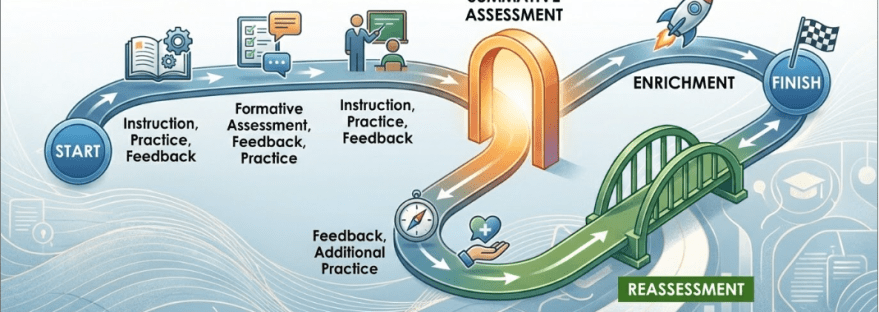
Lessons from NASA: Reassessing Learning for Student Success
After failure, NASA didn’t abandon its mission—they adjusted, learned, and tried again. What if classrooms did the same? A mastery learning reassessment system ensures all students reach high standards through time, feedback, and multiple opportunities. This post outlines a practical, sustainable approach to making “all students succeed” a reality.
Improving Quality of Feedback with Hattie’s Feed Up, Feed Back, Feed Forward Protocol
As teachers, we know the importance of feedback in advancing our students' learning. We see it in our classrooms in those magic moments when their eyes light up after we suggest a new way to solve a problem or write a thesis statement. This importance is also shown in educational research. In John Hattie's most… Continue reading Improving Quality of Feedback with Hattie’s Feed Up, Feed Back, Feed Forward Protocol

Learning Out Loud: The Potential Impact of Peer Feedback and Steps to Get Started
Nice work! fix ur spelling Overall, looks pretty good:) This makes no sense!? These are some examples of peer feedback I've seen and heard in my ELA classroom. They include a mixture of broad praise, editing suggestions, vague affirmations, and the occasional empty criticism. I'd like to say this only happened in my early years… Continue reading Learning Out Loud: The Potential Impact of Peer Feedback and Steps to Get Started

How Can Teachers Motivate Students to Practice Without Points?
This article advocates for "ungrading" student practice, emphasizing its role in improving grading accuracy and fostering a growth mindset. By eliminating grades for classwork and homework, students can focus on learning without the pressure of points. It also presents strategies to motivate students intrinsically and extrinsically, ensuring their engagement in practice.

